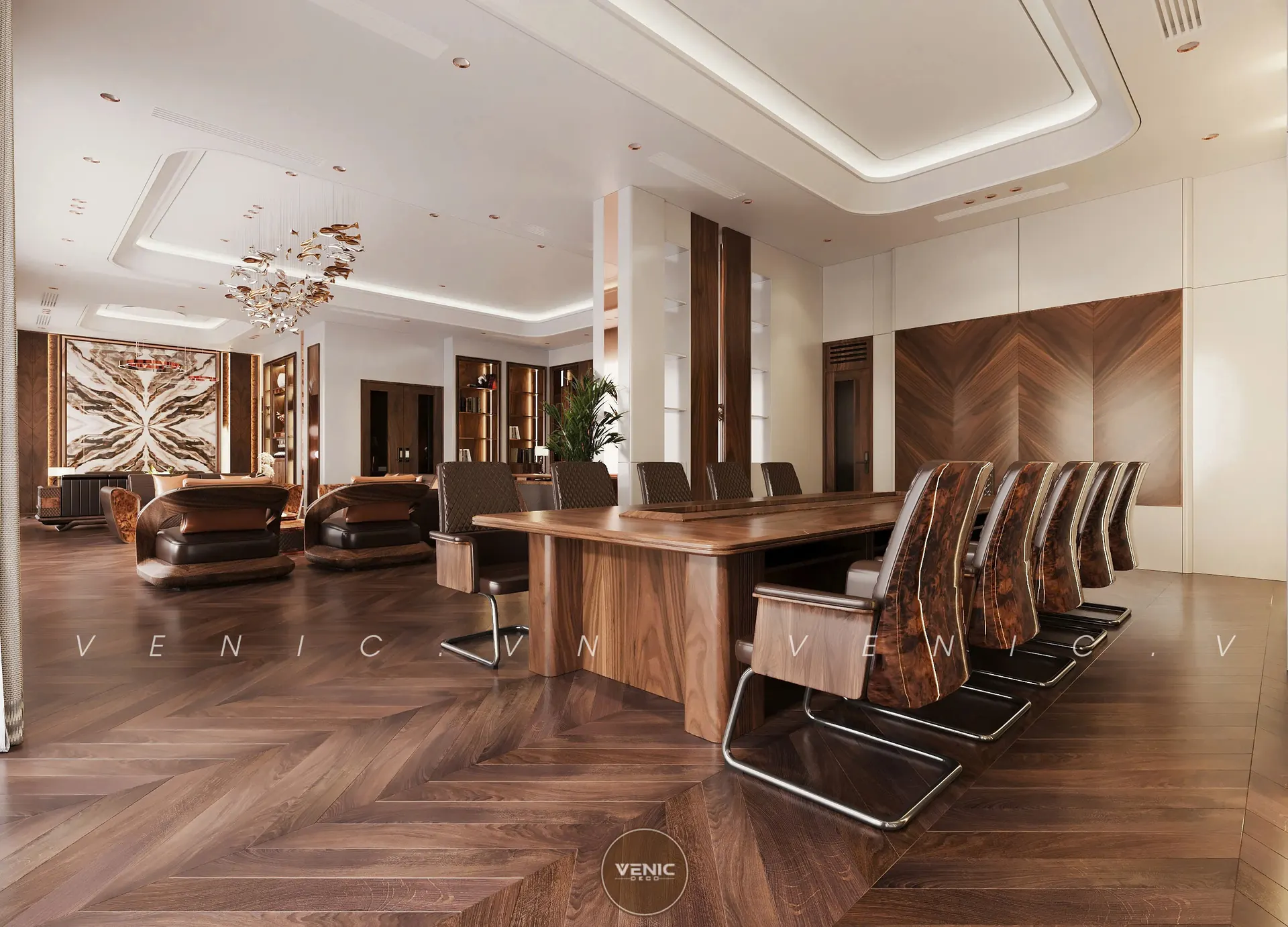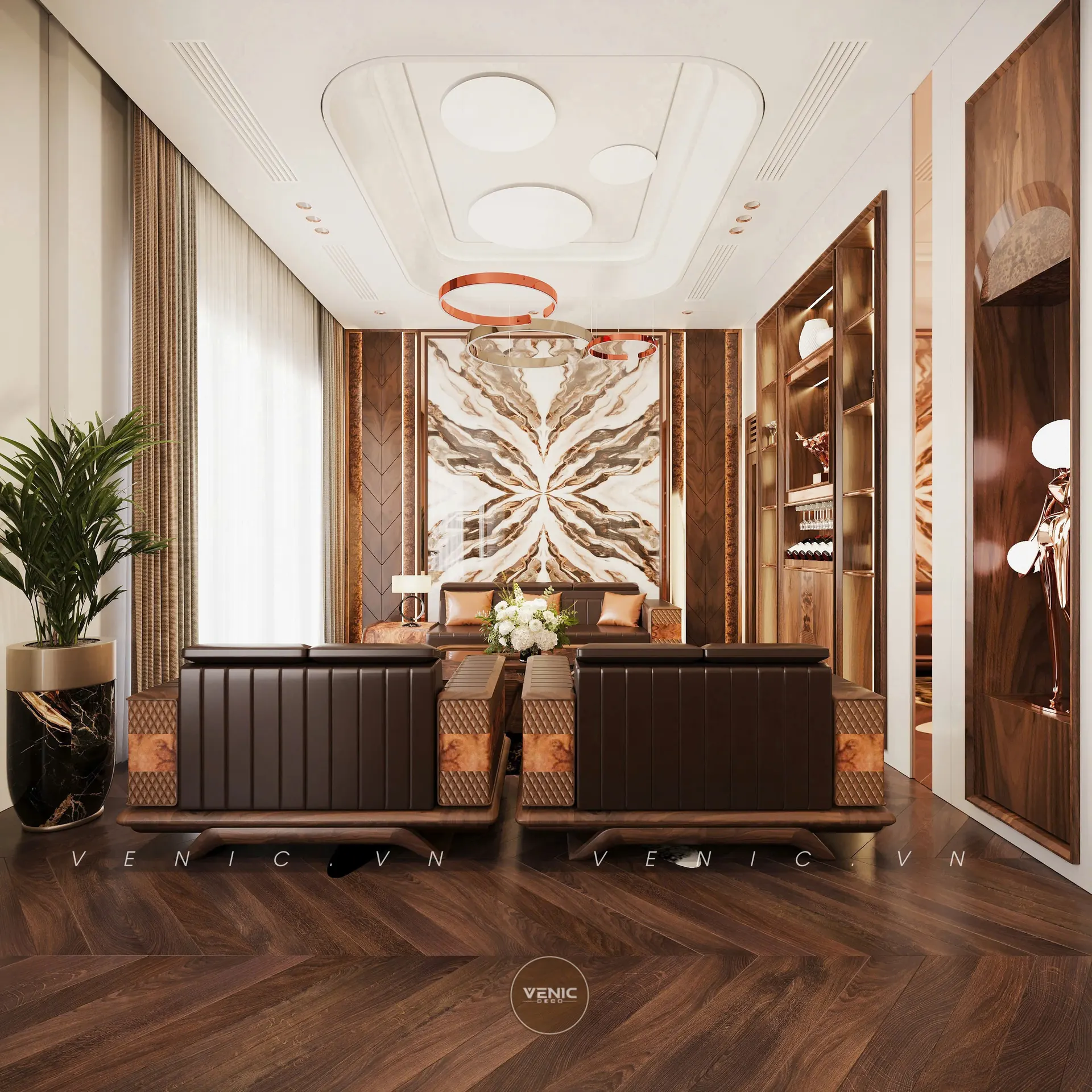
Walnut furniture care is simpler than most owners expect. Solid walnut is a dense, stable hardwood, and a well-made piece only needs the right position in the room, gentle cleaning and a little attention to its finish. Get those three things right and a walnut desk, dining table or cabinet will look better after ten years than on the day it was delivered.
This guide collects the advice VENIC gives clients at every handover – for villas, premium apartments and executive offices – and explains the reason behind each step, so you can adapt it to your own space and climate.
Why walnut needs a slightly different kind of care
Walnut is a natural material that continues to react to its surroundings after it leaves the factory. Wood fibres absorb and release moisture with the air around them, and the surface colour slowly matures under light. Good care is not about stopping these processes; it is about keeping them gentle and even across the whole piece.
- Moisture changes cause wood to expand and contract – sudden or one-sided changes are what lead to stress.
- Strong light gradually changes walnut's deep brown tone – uneven exposure creates visible patches.
- The protective finish (lacquer or oil) is the first line of defence – most damage starts when the finish is worn or attacked by chemicals.
1. Choose the right position in the room
Where a piece stands has more influence on its lifespan than any cleaning product. Plan the layout with the furniture's needs in mind, especially for large surfaces such as executive desks and meeting tables.
Keep it out of strong direct sunlight
Long hours of direct sun change the colour of walnut faster in the exposed areas than in the shaded ones. Use sheer curtains, blinds or UV-protective glass on windows that face the furniture, and rotate decorative objects from time to time so they do not leave a lighter 'shadow' on the surface.
Avoid heat sources and direct air-conditioning flow
Radiators, heaters, fireplaces and the cold air stream of an air-conditioner dry one side of the wood faster than the other. Leave space between the furniture and these sources, and angle air-conditioning vents away from table tops and cabinet doors.
Aim for a stable indoor climate
Walnut is happiest when the room's humidity stays fairly constant through the year. In very humid climates, good ventilation and a dehumidifier help; in very dry or heavily air-conditioned rooms, a humidifier prevents the wood from drying out. Avoid placing furniture against damp walls or in poorly ventilated corners.
2. Daily and weekly cleaning
Most walnut furniture only needs dust removed regularly. Dust is slightly abrasive, so wiping it away gently protects the finish from fine scratches over time.
- 1Dust with a soft, dry microfibre cloth, always following the direction of the grain.
- 2For marks, use a cloth dampened with clean water and wrung out until it is almost dry.
- 3Dry the surface immediately with a second soft cloth – never leave water standing on wood.
- 4For sticky residue, add a drop of mild, pH-neutral soap to the water, then wipe with clean water and dry.
What to avoid
- Alcohol, ammonia, bleach and strong solvents – they can dull or dissolve the finish.
- Abrasive sponges, scouring powders and paper towels that scratch the surface.
- All-purpose sprays with silicone, which can build up a cloudy film and complicate future refinishing.
- Soaking wet cloths or steam cleaners.
3. Protect the surface in everyday use
A walnut table is meant to be used every day. A few simple habits stop the most common marks before they happen.
- Use coasters under glasses and cups – condensation and heat cause white rings.
- Put placemats or trivets under hot dishes, laptops and chargers that get warm.
- Add felt pads under lamps, vases and decorative objects to prevent scratches.
- Lift objects instead of sliding them across the surface.
- Wipe up spills immediately, especially wine, coffee, oil and citrus juice.
Natural wood furniture looks its best when it is used every day – with just the right amount of care.
4. Leather, stone and metal details
Many VENIC pieces combine walnut with Italian leather, natural stone or brass hardware. Each material needs its own approach, and cleaning one should not damage the other.
- Leather inlays and upholstery: dust with a soft cloth and use a conditioner made specifically for the leather type; keep leather cleaners away from the wood.
- Natural stone tops: wipe with water and a neutral stone cleaner; avoid acidic products such as vinegar or lemon.
- Brass and metal hardware: polish with a dry soft cloth; avoid metal polish touching the surrounding wood finish.
Learn more about the materials we use on our OEM / ODM page.
5. Seasonal and yearly checks
Two or three times a year, take a few minutes to look at each piece more closely. Early attention keeps small issues small.
- Check that drawers and doors still run smoothly and that hinges and handles are tight.
- Look for areas where the finish feels dry, rough or worn – usually table edges and armrests.
- Check the underside and back of cabinets near walls for signs of damp.
- If the piece has an oil finish, ask the manufacturer which maintenance oil and interval suit it.
6. Fixing common problems
Light surface scratches
Fine scratches in the finish often become almost invisible after a gentle clean and, on oiled surfaces, a light application of the correct maintenance oil. Deeper scratches that reach the wood should be repaired by a professional so the colour and sheen match.
White rings and heat marks
White rings are usually moisture trapped in the finish. Do not try aggressive home remedies on high-value furniture; contact the manufacturer first, because the right treatment depends on the type of finish.
Dents, cracks or loose joints
Structural issues need a professional assessment. Stop using a loose chair or table leg until it has been checked.
When to call a professional
After many years of use, even well-kept walnut may need a refresh: refinishing heavily used surfaces, repairing deeper damage or adjusting hardware. Because VENIC designs and manufactures in its own factories, our team knows the exact construction and finishing system of every piece and can advise the right maintenance for it.
Planning a new project? Browse our living room, dining & kitchen and bedroom & cabinet collections, or request a quote for custom walnut furniture.
Frequently Asked Questions
How often should I clean walnut furniture?+
Dust once or twice a week with a soft, dry microfibre cloth following the grain. Use a barely damp cloth only for marks, and dry the surface immediately.
Can I use furniture polish on walnut?+
Avoid silicone-based all-purpose sprays. If the piece needs extra protection, use only the maintenance product recommended for its specific finish (lacquer or oil).
Does walnut change colour over time?+
Yes. Walnut's colour naturally matures with light exposure. Keeping it out of strong direct sunlight and rotating objects on the surface helps the colour change evenly.
What should I do if water leaves a white ring?+
Wipe and dry the area, then contact the manufacturer before trying any home remedy, because the right treatment depends on the type of finish.